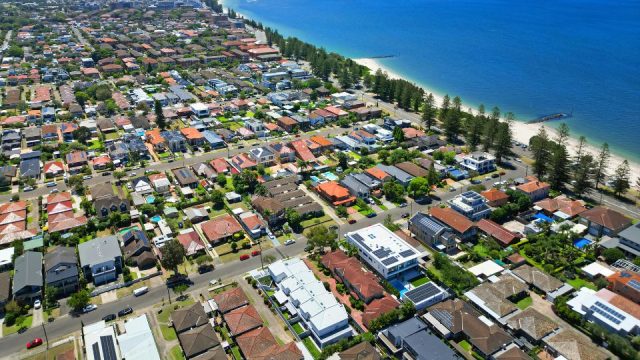
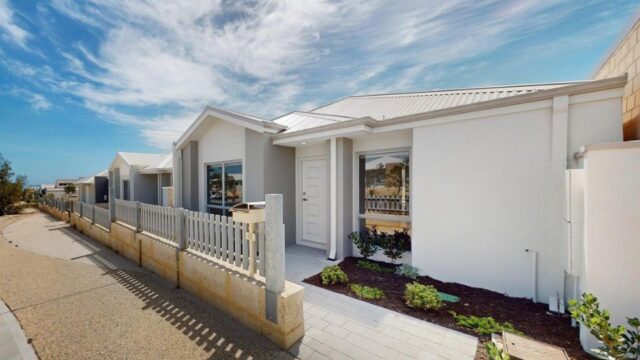
Building new homes in Australia has never been more challenging. The sector faces mounting pressures and despite strong demand, progress is being constrained from limited builder capacity to infrastructure gaps, planning bottlenecks, and inconsistent land readiness.
Infrastructure: The Hidden Roadblock
At first glance, much of Australia’s new land looks ready for development, roads are in, power lines are nearby, and the marketing signs are up. But underneath the surface lies a much bigger issue: the essential infrastructure just isn’t there yet.
In Northern Adelaide, for example, new housing estates have been built but remain disconnected from the main sewer network. More than 700 homes still rely on sewage being trucked out from holding tanks, a stopgap measure that is costly, inefficient, and environmentally unsustainable. Residents are facing the realities of infrastructure that hasn’t kept pace with development.
The South Australian Government has announced a $59 million investment to expand water and sewerage services across the region, but in practice, these large-scale works take years to design, tender, and deliver. In the meantime, progress on new housing is slowed, and both builders and buyers are left waiting for the basics that make a block truly build-ready.

It’s a similar story in Moreton Bay, Queensland, where growth has outpaced water and power infrastructure. The council has publicly called for urgent investment just to keep up with population demand. Until these upgrades are done, large sections of land will sit idle, even if they’re zoned for housing.
Off-Market Land and Limited Investor Access
Another major shift is how land is now sold. Across growth areas in South Australia and Queensland, many developers are pre-selling land off-market through local builders and a few trusted procurement partners.
For the average buyer, this means walking into a display village only to find the best lots already gone or restricted to owner-occupiers. Investor allocations becoming increasingly limited and often never reach the public market.
This is where working with a partner like Future Assist makes a real difference. Our long-term relationships with developers and builders mean we often have access to opportunities before they reach the public market. Working with us gives clients clear advantages: early access to the best land, a simpler path through council and infrastructure challenges, and the confidence that every project starts on solid ground.
Builders Simplifying to Survive
For builders, the last few years have been a test of resilience. Rising material costs, labour shortages, and supply chain disruptions have reshaped how the industry operates. Many have been forced to return to simpler, more predictable building models, focusing on standard designs that can be delivered efficiently and within tighter margins.
In South Australia for example, one of the state’s largest builders has scaled back operations and reduced staff, citing delays in land availability and mounting construction costs. It’s a pattern being repeated across the country as builders narrow their design ranges to control risk and keep homes within reach of everyday buyers.
For those sourcing and assessing land, this means it’s more important than ever to find sites that match the builder’s simplified footprint: flat, regular-shaped blocks that can be built on quickly and without complex retaining or engineering Understanding these needs early helps ensure that projects remain feasible, efficient, and aligned with the realities of today’s building environment.
When “Affordable Housing” Isn’t Affordable
Governments often talk about creating affordable housing, but many of their new rules are making it harder, not easier, to deliver. Recent policy changes, such as raising energy ratings from 6 to 7 stars, have added thousands of dollars in materials and compliance costs to each build.
In Western Australia, new Local Development Plans (LDPs) and planning rules, now require more green space and landscaping in new estates. While that sounds great in theory, it also reduces the amount of buildable land and makes traditional three-bedroom starter homes unviable on smaller blocks. Developers are being pushed toward two-bedroom designs just to make the numbers work, which hardly helps affordability.
Different States, Different Rules
To make things even more complicated, every state, and often every council, does things differently.
Take Tasmania for example, It’s seen as a hot spot for opportunity, but it’s actually one of the toughest states for new construction. In many cases, developers sell land before completing basic site works like levelling, retaining, or soil compaction.
Builders then face unpredictable site costs, because every lot needs separate soil testing and engineering before construction can even begin. It’s like building a road through a paddock, adding power and water, then hammering in some survey pegs and putting up a “For Sale” sign.
A block might look affordable, but once you factor in tens of thousands in site works, it’s often not.
By contrast, in states like South Australia and Queensland, most developments include proper earthworks and preparation before titles are issued, giving builders and buyers clearer, more predictable costs.

The Bottom Line
Land procurement today is about far more than just finding a good location.
Across Australia, different rules and bottlenecks mean that the path to new housing remains uneven. As these pressures grow, the role of specialists like Future Assist becomes even more critical, ensuring that investors can access the right opportunities, at the right time, with the best financial outcomes.
* The information contained in this webpage is general in nature and has been provided in good faith, without taking into account your personal circumstances. While all reasonable care has been taken to ensure that the information is accurate and opinions fair and reasonable, no warranties in this regard are provided.